Want to grow your business fast? Mastering lead generation is the ultimate game-changer. It’s not just about getting names—it’s about attracting the right people who actually want what you offer.


What Is Lead Generation and Why It Matters

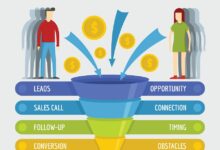
Lead generation is the process of attracting and converting strangers into potential customers—people who have shown interest in your product or service. In today’s digital world, where attention is scarce and competition is fierce, effective lead generation separates thriving businesses from those struggling to survive.
The Core Definition of Lead Generation
At its heart, lead generation is about initiating consumer interest. A “lead” is any individual who provides their contact information—usually an email address—in exchange for something of value. This could be a free eBook, a webinar, a discount, or a newsletter. Once you have their details, you can nurture them through marketing and sales efforts.
- A lead is someone who has expressed interest in your brand.
- Lead generation bridges the gap between marketing and sales.
- It’s the first step in building a sustainable sales funnel.
Why Lead Generation Is Crucial for Business Growth
Without a steady stream of leads, even the best products can fail. Lead generation fuels your sales pipeline, ensuring that your business has a consistent flow of potential customers. According to HubSpot, companies that excel at lead generation grow 2.5x faster than their peers.
“Lead generation isn’t a tactic—it’s the foundation of sustainable business growth.” — Neil Patel
Whether you’re a startup or an enterprise, generating high-quality leads allows you to scale efficiently, reduce customer acquisition costs, and improve ROI on marketing spend.
The Evolution of Lead Generation: From Cold Calls to AI
Lead generation has come a long way. What once relied on door-to-door sales and cold calling has transformed into a data-driven, digital-first discipline. Understanding this evolution helps you appreciate modern strategies and avoid outdated tactics.
Traditional Lead Generation Methods
In the pre-digital era, businesses relied heavily on offline methods:
- Cold Calling: Sales reps would call random numbers, hoping to find interested prospects.
- Print Ads: Classifieds, flyers, and newspaper ads were common ways to generate interest.
- Trade Shows: Face-to-face interactions at industry events helped build relationships.
While these methods still have niche applications, they’re often inefficient, costly, and hard to scale.
The Digital Revolution in Lead Generation
The internet changed everything. With the rise of websites, email, and social media, businesses gained new ways to attract and engage prospects. Digital lead generation is more targeted, measurable, and cost-effective.
- Search engines like Google became primary lead sources.
- Email marketing allowed for personalized follow-ups.
- Social media platforms enabled direct engagement with audiences.
According to Marketing Dive, over 80% of B2B leads now come from digital channels.
Types of Leads: Knowing What You’re After
Not all leads are created equal. Understanding the different types of leads helps you tailor your strategies and set realistic expectations for conversion.
Marketing Qualified Leads (MQLs)
These are leads that have engaged with your marketing content—such as downloading a guide or attending a webinar—but aren’t yet ready to buy. They’re still in the awareness or consideration phase.
- They’ve shown interest through digital interactions.
- MQLs require nurturing before being passed to sales.
- Common sources: blog visits, content downloads, email opens.
Sales Qualified Leads (SQLs)
SQLs are leads that marketing has vetted and believes are ready for direct sales contact. They’ve demonstrated buying intent—like requesting a demo or pricing information.
- They meet specific criteria (budget, authority, need, timeline).
- They’re closer to making a purchase decision.
- Conversion rates for SQLs are significantly higher than MQLs.
“Not every lead is a sale, but every sale starts with a lead.” — Anonymous
Top 7 Lead Generation Strategies That Actually Work
Now that you understand the basics, let’s dive into the most effective lead generation strategies used by top-performing companies today.
1. Content Marketing and SEO
Creating valuable, search-optimized content is one of the most powerful ways to attract organic leads. When people search for solutions, your content should be there to answer their questions.
- Write blog posts targeting long-tail keywords (e.g., “how to generate leads for small business”).
- Use tools like Ahrefs or SEMrush to find high-intent keywords.
- Include lead capture forms within or at the end of high-performing articles.
For example, a well-optimized guide on “lead generation tools” can rank on Google’s first page and bring in hundreds of leads per month—passively.
2. Landing Pages with High-Converting Forms
A landing page is a standalone web page designed for one purpose: to convert visitors into leads. Unlike regular website pages, landing pages remove distractions and focus on a single call-to-action (CTA).
- Use compelling headlines and benefit-driven copy.
- Keep forms short—ask only for essential information (name, email).
- A/B test different versions to improve conversion rates.
According to Unbounce, high-performing landing pages can achieve conversion rates of 20% or more.
3. Lead Magnets That Deliver Real Value
A lead magnet is a free resource offered in exchange for contact information. The key is to make it so valuable that visitors can’t resist giving up their email.
- Ebooks and guides (e.g., “The Ultimate Lead Generation Playbook”).
- Checklists and templates (e.g., “SEO Audit Checklist”).
- Free trials or demos for SaaS products.
The better the perceived value, the higher the conversion rate. Make sure your lead magnet solves a specific pain point.
4. Social Media Lead Generation Campaigns
Platforms like LinkedIn, Facebook, and Instagram offer powerful tools for targeted lead generation. You can reach specific demographics, interests, and behaviors.
- Run lead ads with built-in forms (Facebook Lead Ads, LinkedIn Lead Gen Forms).
- Host live Q&A sessions or webinars to engage prospects.
- Use direct messaging for personalized outreach (especially on LinkedIn).
LinkedIn, for instance, generates 80% of B2B leads from social media, making it a goldmine for professional services.
5. Email Marketing and Drip Campaigns
Email remains one of the highest ROI channels for lead generation and nurturing. Once you have a lead’s email, you can build trust over time.
- Send a welcome series to new subscribers.
- Use segmentation to deliver personalized content.
- Automate drip campaigns based on user behavior.
According to Campaign Monitor, segmented email campaigns drive 760% more revenue than generic blasts.
6. Webinars and Live Events
Webinars are excellent for generating high-quality leads. People who register are actively seeking solutions, making them more sales-ready.
- Promote webinars through email, social media, and paid ads.
- Offer exclusive insights or live demos.
- Follow up with attendees and no-shows using automated emails.
Companies like HubSpot report that webinars can generate 5x more leads than standard content offers.
7. Referral and Partner Programs
Leverage your existing customers and partners to bring in new leads. People trust recommendations from peers more than ads.
- Offer incentives for referrals (discounts, free months).
- Collaborate with complementary businesses for co-marketing.
- Create affiliate programs to reward promoters.
Word-of-mouth lead generation is not only cost-effective but also brings in higher lifetime value customers.
Tools and Technologies for Modern Lead Generation
You don’t have to do it all manually. The right tools can automate, track, and optimize your lead generation efforts.
CRM Systems for Lead Management
A Customer Relationship Management (CRM) system helps you organize, track, and nurture leads throughout the sales funnel.
- HubSpot CRM: Free, user-friendly, and packed with automation.
- Salesforce: Enterprise-level CRM with advanced analytics.
- Zoho CRM: Affordable option for small to mid-sized businesses.
CRMs ensure no lead falls through the cracks and provide insights into what’s working.
Marketing Automation Platforms
Automation tools help you scale your lead generation without scaling your team.
- Mailchimp: Great for email campaigns and basic automation.
- ActiveCampaign: Advanced workflows and behavioral tracking.
- Marketo: Ideal for large-scale B2B lead generation.
With automation, you can send personalized emails, score leads, and trigger actions based on user behavior.
Lead Capture and Form Tools
Tools like Typeform and JotForm make it easy to create beautiful, high-converting forms. Pop-up forms (via OptinMonster or Sumo) can boost conversions by up to 30%.
- Use exit-intent popups to capture leaving visitors.
- Embed forms in blog posts and videos.
- Integrate with your CRM for seamless data flow.
Measuring Success: Key Lead Generation Metrics
You can’t improve what you don’t measure. Tracking the right metrics helps you understand performance and optimize your strategies.
Conversion Rate
This is the percentage of visitors who become leads. For example, if 1,000 people visit your landing page and 100 sign up, your conversion rate is 10%.
- Aim for at least 5–10% on landing pages.
- Higher rates indicate better targeting or offer quality.
- Use A/B testing to improve underperforming pages.
Cost Per Lead (CPL)
CPL measures how much you spend to acquire one lead. It’s calculated by dividing total campaign spend by the number of leads generated.
- Lower CPL means better efficiency.
- Compare CPL across channels to allocate budget wisely.
- Industry average varies—B2B often has higher CPL than B2C.
Lead-to-Customer Conversion Rate
This metric shows how many leads actually become paying customers. If you generate 100 leads and 10 buy, your rate is 10%.
- Improving this rate is often more profitable than generating more leads.
- Focus on lead quality, not just quantity.
- Nurture leads with targeted content to increase conversions.
“Data beats intuition every time.” — Avinash Kaushik
Common Lead Generation Mistakes to Avoid
Even smart marketers make mistakes. Avoiding these pitfalls can save you time, money, and frustration.
Targeting the Wrong Audience
If you’re not reaching the right people, your lead generation efforts will fail. Creating detailed buyer personas helps you focus on those most likely to convert.
- Define demographics, pain points, and goals.
- Use analytics to refine your targeting over time.
- Avoid broad, generic messaging that appeals to no one.
Offering Low-Value Lead Magnets
If your free offer doesn’t solve a real problem, people won’t trade their email for it. Invest time in creating high-quality, actionable resources.
- Ask your customers what they struggle with.
- Update old lead magnets regularly.
- Test different formats (video, PDF, quiz) to see what resonates.
Ignoring Lead Nurturing
Most leads aren’t ready to buy immediately. Without nurturing, you’ll lose 80% of your leads. Use email sequences, retargeting ads, and personalized content to stay top-of-mind.
- Send educational content before pitching.
- Use lead scoring to identify hot prospects.
- Automate follow-ups to save time and increase consistency.
What is lead generation?
Lead generation is the process of attracting and converting strangers into potential customers by collecting their contact information, usually in exchange for value like a free guide, trial, or consultation. It’s the first step in building a sales pipeline.
What are the best lead generation strategies?
The most effective strategies include content marketing, landing pages, lead magnets, social media ads, email marketing, webinars, and referral programs. The best approach depends on your audience, industry, and resources.
How do I generate high-quality leads?
Focus on targeting the right audience, offering valuable lead magnets, using clear CTAs, and nurturing leads with personalized content. Quality matters more than quantity—aim for leads that match your ideal customer profile.
What tools can help with lead generation?
Popular tools include HubSpot, Salesforce, Mailchimp, Ahrefs, SEMrush, Typeform, and Facebook Lead Ads. These help with content creation, automation, lead capture, and analytics.
How do I measure lead generation success?
Track metrics like conversion rate, cost per lead, lead-to-customer rate, and ROI. Use analytics to identify what’s working and optimize underperforming areas.
Lead generation is the lifeblood of any growing business. From understanding the basics to implementing powerful strategies and avoiding common mistakes, the path to success lies in consistency, value, and data-driven decisions. Whether you’re using content, social media, or automation, the goal remains the same: attract the right people, earn their trust, and guide them toward a purchase. Start small, test often, and scale what works. With the right approach, your lead generation engine can become a predictable, profitable growth machine.
Further Reading:
