Ever wondered what exactly a ‘lead’ means in today’s fast-paced digital world? The leads definition isn’t just marketing jargon—it’s the heartbeat of every successful business strategy. Let’s break it down in plain, powerful terms.

Leads Definition: What Exactly Is a Lead?

At its core, the leads definition refers to a potential customer who has shown interest in your product or service. This interest can come in many forms—filling out a contact form, subscribing to a newsletter, downloading a free guide, or even engaging with your content on social media. A lead is not yet a customer, but they are one step closer to becoming one.
The Basic Concept of a Lead
A lead is anyone who provides their contact information or interacts with your brand in a way that indicates interest. This could be as simple as an email address submitted through a pop-up on your website. The key is that the individual has taken an action that opens the door for further communication.
- Leads are often categorized by how they were acquired (e.g., online form, event sign-up).
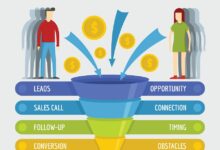
- They represent the first stage in the sales funnel.
- Not all leads are equal—some are more qualified than others.
Why Understanding Leads Definition Matters
Without a clear grasp of the leads definition, businesses risk misallocating resources, targeting the wrong audience, or failing to convert interest into sales. Knowing what constitutes a lead helps teams align marketing and sales efforts effectively.
“A lead is the spark before the sale. Ignite it properly, and you have a customer. Ignore it, and the opportunity fades.” — Sales Strategy Expert
Leads Definition in Marketing: How It Drives Growth
In marketing, the leads definition goes beyond just collecting names and emails. It’s about identifying individuals who fit your ideal customer profile and have demonstrated behaviors that suggest they might convert. This process is central to demand generation and customer acquisition strategies.
Marketing-Qualified Leads (MQLs)
Marketing-qualified leads are those who have engaged with your content in a meaningful way—such as downloading an eBook, attending a webinar, or spending significant time on your pricing page. These actions signal interest, but the lead may not yet be ready to buy.
- MQLs are nurtured through email campaigns and targeted content.
- They are scored based on engagement levels (lead scoring).
- Tools like HubSpot and Marketo help track and manage MQLs effectively. Learn more about HubSpot’s lead management tools.
The Role of Content in Generating Leads
High-quality content is one of the most effective ways to attract and convert leads. By offering valuable resources—like whitepapers, checklists, or free trials—businesses can incentivize visitors to share their information.
- Landing pages with clear calls-to-action (CTAs) convert better.
- SEO-optimized content increases visibility and organic lead flow.
- Content personalization boosts conversion rates by up to 20%. Explore content marketing best practices.
Leads Definition in Sales: From Interest to Revenue
In the sales world, the leads definition shifts slightly. Sales teams focus on leads that are not only interested but also have the authority, budget, and need to make a purchase. These are known as sales-qualified leads (SQLs).
Sales-Qualified Leads (SQLs)
An SQL is a lead that marketing has passed to sales because they meet specific criteria indicating readiness to buy. This could include requesting a demo, asking for a quote, or engaging in a sales call.
- SQLs have higher conversion potential than MQLs.
- Sales teams use CRM systems like Salesforce to track and follow up with SQLs. Discover how Salesforce manages leads.
- The transition from MQL to SQL is critical for revenue alignment.
Lead Scoring and Prioritization
Not all leads deserve equal attention. Lead scoring assigns points based on behavior, demographics, and engagement. High-scoring leads are prioritized for immediate follow-up.
- Behavioral data (e.g., page visits, email opens) influences scoring.
- Firmographic data (e.g., company size, industry) helps qualify B2B leads.
- Automated scoring reduces manual effort and improves accuracy.
Types of Leads: Understanding the Spectrum
The leads definition varies depending on the type of lead. Different stages of the buyer’s journey produce different kinds of leads, each requiring a unique approach.
Information-Qualified Leads (IQLs)
IQLs are individuals who are in the research phase. They’re gathering information but aren’t ready to commit. They might sign up for a newsletter or follow your blog.
- Focus on education, not sales.
- Provide in-depth guides and comparison content.
- Build trust through consistent value delivery.
Product-Qualified Leads (PQLs)
PQLs emerge in product-led growth models. These are users who have experienced the product firsthand—often through a free trial or freemium model—and shown signs of readiness to upgrade.
- Common in SaaS companies like Slack or Zoom.
- Behavioral triggers (e.g., feature usage, login frequency) identify PQLs.
- Automated in-app messages can convert PQLs efficiently.
Service-Qualified Leads
These leads come from customers already using one service and showing interest in additional offerings. Upselling and cross-selling are key here.
- Leverage existing customer relationships.
- Use customer success teams to identify opportunities.
- Personalized offers increase conversion likelihood.
Leads Definition in Digital Marketing: Online Strategies That Work
Digital marketing has revolutionized how we define and capture leads. The leads definition now includes data-driven interactions across multiple online channels.
Lead Generation Through Social Media
Platforms like LinkedIn, Facebook, and Instagram allow businesses to target specific audiences and capture leads directly through ads and lead forms.
- LinkedIn lead gen forms are highly effective for B2B.
- Facebook’s instant forms reduce friction in mobile conversions.
- Retargeting ads re-engage visitors who didn’t convert initially.
Email Marketing and Lead Nurturing
Email remains one of the most powerful tools for nurturing leads. Automated drip campaigns guide leads through the funnel with personalized content.
- Welcome sequences boost engagement by 50%.
- Segmentation improves open and click-through rates.
- A/B testing optimizes subject lines and CTAs.
Search Engine Optimization (SEO) and Organic Leads
SEO drives long-term, sustainable lead generation by attracting users actively searching for solutions.
- Long-tail keywords attract highly intent-driven traffic.
- Optimized landing pages increase conversion rates.
- Regular content updates keep your site relevant. Moz’s SEO guide is a great resource.
Leads Definition in B2B vs. B2C: Key Differences
The leads definition varies significantly between business-to-business (B2B) and business-to-consumer (B2C) models. Understanding these differences is crucial for crafting effective strategies.
B2B Lead Characteristics
B2B leads often involve longer sales cycles, multiple decision-makers, and higher lifetime value. The focus is on relationship-building and demonstrating ROI.
- Leads are often company representatives, not end-users.
- Content must address pain points like efficiency, cost savings, and scalability.
- Webinars, case studies, and whitepapers are effective lead magnets.
B2C Lead Characteristics
B2C leads typically have shorter decision cycles and are driven by emotion, convenience, or immediate need. The goal is to create urgency and simplify the buying process.
- Leads respond well to discounts, limited-time offers, and social proof.
- Mobile optimization is critical for B2C lead capture.
- One-click sign-ups reduce abandonment rates.
Measuring Lead Quality: Metrics That Matter
Not all leads are created equal. The true value of a lead lies in its quality, not just its quantity. Measuring lead quality helps businesses optimize their acquisition strategies.
Conversion Rate from Lead to Customer
This metric shows the percentage of leads that become paying customers. A high conversion rate indicates effective targeting and nurturing.
- Industry averages vary—SaaS might see 5-10%, e-commerce 1-3%.
- Improving lead quality can double conversion rates over time.
- Regular A/B testing of lead capture forms helps optimize results.
Cost Per Lead (CPL)
CPL measures how much you spend to acquire one lead. It’s a key indicator of marketing efficiency.
- Lower CPL doesn’t always mean better—quality matters.
- Compare CPL across channels to allocate budget wisely.
- Google Ads and LinkedIn Ads often have higher CPL but better quality.
Lead-to-Customer Cycle Time
This is the average time it takes for a lead to become a customer. Shorter cycle times often indicate a well-optimized sales process.
- B2B cycles can take weeks or months; B2C may be minutes.
- Automated follow-ups reduce cycle time significantly.
- CRM analytics help identify bottlenecks in the funnel.
Common Mistakes in Lead Management
Even with a solid leads definition, businesses often make critical errors in managing leads. Avoiding these pitfalls can dramatically improve conversion rates.
Ignoring Lead Nurturing
Many companies focus only on acquisition, neglecting the nurturing phase. Yet, 80% of leads never convert because they aren’t followed up with properly.
- Automated email sequences keep leads engaged.
- Personalized content increases relevance and trust.
- Nurturing can shorten sales cycles by up to 23%.
Poor Lead Qualification
Passing unqualified leads to sales wastes time and damages team morale. Clear criteria for MQLs and SQLs are essential.
- Use lead scoring models to filter out low-potential leads.
- Align marketing and sales teams on qualification standards.
- Regular audits ensure consistency in lead handoff.
Overlooking Data Hygiene
Dirty data—duplicate entries, outdated emails, incorrect info—reduces campaign effectiveness and damages sender reputation.
- Regularly clean your CRM database.
- Use validation tools during form submissions.
- Integrate with platforms like Clearbit for real-time data enrichment. Check Clearbit’s data solutions.
What is the basic leads definition?
A lead is a person or organization that has shown interest in your product or service by providing contact information or engaging with your brand. This interest marks the beginning of the customer journey.
What’s the difference between a marketing-qualified lead and a sales-qualified lead?
A marketing-qualified lead (MQL) has engaged with content and shown interest, while a sales-qualified lead (SQL) has been vetted and is ready for direct sales outreach based on intent and fit.
How do you generate high-quality leads?
Focus on targeted content, optimized landing pages, lead scoring, and multi-channel strategies like SEO, social media, and email marketing. Quality over quantity is key.
Why is lead nurturing important?
Most leads aren’t ready to buy immediately. Nurturing builds trust, educates prospects, and guides them through the decision-making process, increasing conversion chances.
What tools help manage leads effectively?
CRM platforms like Salesforce, HubSpot, and Zoho CRM help track, score, and nurture leads. Marketing automation tools like Marketo and Mailchimp streamline engagement.
Understanding the leads definition is more than a marketing exercise—it’s the foundation of sustainable business growth. From identifying potential customers to nurturing them into loyal buyers, every step hinges on how well you define, capture, and manage leads. Whether you’re in B2B or B2C, digital or traditional, mastering lead generation and qualification is non-negotiable. By leveraging data, automation, and strategic content, you can turn interest into revenue and build a pipeline that fuels long-term success.
Further Reading:
