Ever wondered why some marketing campaigns convert like crazy while others flop? It’s not just about traffic—it’s about leads density. In this deep dive, we’ll unpack what leads density really means, why it matters, and how you can leverage it to dominate your niche.


Understanding Leads Density: The Core Concept

Leads density is a critical metric that measures the concentration of high-quality leads within a given audience, campaign, or traffic source. Unlike raw lead volume, which only counts quantity, leads density focuses on quality and relevance—how many of your leads are actually likely to convert?
What Exactly Is Leads Density?
Leads density refers to the proportion of qualified, actionable leads in a specific dataset. For example, if you generate 1,000 leads from a campaign but only 200 are sales-ready, your leads density is 20%. This metric helps marketers assess efficiency and optimize targeting.
- It’s not just about volume—it’s about value.
- High leads density means more conversions with less effort.
- It reflects how well your audience targeting aligns with your offer.
“Leads density is the silent engine behind scalable growth. Ignore it, and you’ll burn budget on unqualified traffic.” — Marketing Analytics Expert, Jane Rivera
Why Leads Density Matters More Than Ever
In today’s saturated digital landscape, attention is scarce and ad costs are rising. Businesses can no longer afford to chase vanity metrics. Leads density cuts through the noise by focusing on meaningful engagement.
According to a HubSpot report, companies with high leads density see up to 3x higher conversion rates than those relying on broad, untargeted campaigns. This is because quality leads require less nurturing and move faster through the sales funnel.
Leads Density vs. Lead Volume: The Critical Difference
Many marketers confuse leads density with lead volume. While volume counts total leads, density evaluates their quality and readiness. A campaign with 500 leads and 30% density (150 qualified leads) outperforms one with 1,000 leads and 10% density (100 qualified leads).
- Lead volume = How many people raised their hand.
- Leads density = How many of them are ready to buy.
- High volume + low density = wasted resources.
For deeper insights, check out this comprehensive guide on lead generation metrics that matter.
How Leads Density Impacts Conversion Rates
The relationship between leads density and conversion rates is direct and powerful. Higher leads density means a greater percentage of your audience is already interested, informed, and inclined to act.
The Funnel Efficiency Factor
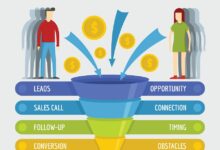
When your leads are densely packed with intent, every stage of the sales funnel becomes more efficient. Top-of-funnel content attracts better prospects, middle-of-funnel nurturing requires fewer touchpoints, and bottom-of-funnel offers convert faster.
- High-density leads shorten sales cycles by up to 40%.
- They reduce the cost per acquisition (CPA) significantly.
- They increase customer lifetime value (CLV) due to better fit.
A study by Salesforce found that sales teams spend nearly 33% of their time on unqualified leads. Improving leads density directly recovers this lost time.
Case Study: SaaS Company Boosts Conversions by 150%
A mid-sized SaaS company restructured its lead acquisition strategy around leads density. Instead of targeting broad keywords, they focused on long-tail, intent-rich phrases like “best CRM for e-commerce startups.”
The result? Traffic dropped by 30%, but leads density jumped from 12% to 38%. Conversion rates soared by 150%, and customer churn decreased due to better product-fit alignment.
“We stopped chasing clicks and started attracting customers. That shift in mindset changed everything.” — CEO, SaaS Growth Labs
Psychological Triggers Behind High-Density Leads
High leads density often correlates with strong psychological triggers—urgency, relevance, and perceived value. When a user searches for a specific solution, their intent is high, making them more receptive to your offer.
- Problem-aware visitors have higher leads density than brand-aware ones.
- Emotional pain points increase engagement and conversion likelihood.
- Personalized messaging amplifies perceived relevance.
Learn more about consumer psychology in marketing at Neuromarketing.com.
Measuring Leads Density: Key Metrics and Tools
You can’t improve what you don’t measure. Calculating leads density requires a clear definition of a “qualified lead” and access to reliable data.
Step-by-Step Formula for Calculating Leads Density
The formula for leads density is simple:
Leads Density (%) = (Number of Qualified Leads / Total Leads Generated) × 100
For example: 250 qualified leads out of 1,000 total leads = 25% leads density.
- Define “qualified” using BANT criteria (Budget, Authority, Need, Timeline).
- Use CRM data to track lead source, behavior, and conversion status.
- Calculate density per campaign, channel, or audience segment.
Tools like Zoho CRM and HubSpot CRM automate much of this tracking.
Top Tools to Track and Analyze Leads Density
Several platforms help you measure and optimize leads density in real time:
- Google Analytics 4 (GA4): Track user behavior and conversion paths.
- Hotjar: Visualize how leads interact with your site.
- Marketo or Pardot: Score leads based on engagement and demographics.
- SEMrush or Ahrefs: Analyze keyword intent to predict lead quality.
Integrating these tools gives you a 360-degree view of your leads density across channels.
Setting Benchmarks for Your Industry
Leads density benchmarks vary by industry. For example:
- B2B Tech: 15–25% is considered strong.
- E-commerce: 10–20% depending on niche.
- Real Estate: 5–10% due to high consideration cycles.
- Education (Online Courses): 20–35% for targeted webinars.
Use industry reports from Statista or Gartner to benchmark your performance.
7 Proven Strategies to Increase Leads Density
Boosting leads density isn’t about generating more leads—it’s about attracting the right ones. Here are seven battle-tested strategies.
1. Laser-Focus Your Target Audience
Generic messaging attracts generic leads. The tighter your audience definition, the higher your leads density.
- Create detailed buyer personas with pain points, goals, and objections.
- Use firmographic and behavioral data to segment audiences.
- Run hyper-targeted ads on LinkedIn or Google based on job title, industry, or intent signals.
For example, instead of targeting “marketing managers,” go after “marketing managers in SaaS companies with 50–200 employees.”
2. Optimize for High-Intent Keywords
Keyword intent is a powerful predictor of leads density. Focus on transactional and commercial investigation keywords.
- Target phrases like “best [product] for [specific use case]” or “[product] pricing.”
- Avoid broad terms like “marketing tips” unless you’re building awareness.
- Use tools like Ahrefs to analyze keyword difficulty and intent.
A case study by Backlinko showed that pages targeting high-intent keywords converted 3.5x better than those targeting informational queries.
3. Implement Lead Scoring Models
Lead scoring assigns values to leads based on behavior and profile data, helping you identify high-density segments.
- Positive points for actions like visiting pricing pages, downloading case studies, or watching demo videos.
- Negative points for inactivity or mismatched job titles.
- Automate scoring in your CRM to prioritize follow-ups.
Companies using lead scoring see a 77% increase in lead conversion rates (MarketingProfs).
4. Use Pre-Qualification Forms and Chatbots
Not all leads should enter your funnel. Use smart forms and AI chatbots to filter out unqualified prospects early.
- Ask qualifying questions like “What’s your monthly ad spend?” or “How many employees do you have?”
- Use chatbots to engage visitors and route them based on intent.
- Offer gated content that requires intent verification (e.g., “Download our enterprise pricing guide”).
Drift’s conversational marketing platform reports that pre-qualified leads convert 5x faster than cold leads.
5. Refine Your Content Strategy for Intent Alignment
Your content should mirror the buyer’s journey. Misalignment kills leads density.
- Top of funnel: Focus on problem-aware content (e.g., “Signs Your CRM Is Holding You Back”).
- Middle of funnel: Offer comparison guides and case studies.
- Bottom of funnel: Provide demos, trials, and consultations.
A/B testing by Campaign Monitor found that intent-aligned emails had 42% higher click-through rates.
6. Leverage Retargeting with Precision
Retargeting isn’t just for conversions—it’s a powerful tool to boost leads density by re-engaging high-intent users.
- Create custom audiences based on page visits (e.g., pricing page viewers).
- Exclude users who already converted or bounced quickly.
- Use dynamic ads that show relevant offers based on past behavior.
According to WordStream, retargeted visitors are 70% more likely to convert than first-time visitors.
7. Partner with Niche Communities and Influencers
Trusted communities and micro-influencers attract highly relevant audiences, increasing leads density organically.
- Collaborate with industry forums, Slack groups, or Reddit communities.
- Sponsor webinars or podcasts with niche influencers.
- Co-create content that speaks directly to a specific pain point.
A study by Influencer Marketing Hub found that niche influencer campaigns generate 3x higher engagement and better lead quality.
Leads Density in Different Marketing Channels
Leads density varies significantly across channels. Understanding these differences helps you allocate budget wisely.
Organic Search and SEO
SEO can deliver high leads density when optimized for intent. Long-tail keywords and topic clusters attract users actively seeking solutions.
- Focus on “how to,” “best,” and “vs” keywords.
- Optimize meta descriptions and CTAs for clarity.
- Use schema markup to enhance visibility in rich snippets.
Backlinko’s research shows that pages ranking in the top 3 on Google have 3–5x higher conversion rates due to higher intent traffic.
Paid Advertising (PPC and Social Ads)
Paid channels offer control over targeting, making them ideal for maximizing leads density.
- Use LinkedIn for B2B with job title, company size, and industry filters.
- Leverage Facebook’s detailed targeting for B2C niches.
- Implement negative keywords to exclude irrelevant searches.
Google Ads’ Smart Bidding uses machine learning to prioritize high-intent users, improving leads density over time.
Email Marketing
Email remains one of the highest leads density channels when lists are segmented and messages are personalized.
- Segment by behavior (e.g., opened pricing email but didn’t convert).
- Use dynamic content to show relevant offers.
- Re-engage inactive subscribers with requalification campaigns.
Mailchimp reports that segmented campaigns generate 30% higher open rates and 50% more clicks.
Common Mistakes That Kill Leads Density
Even well-intentioned strategies can backfire if they dilute your leads density. Avoid these pitfalls.
Chasing Vanity Metrics
Focusing on page views, likes, or total leads without analyzing quality leads to wasted spend.
- Replace “most popular” content with “highest converting” content.
- Track lead-to-customer rate, not just lead volume.
- Use UTM parameters to trace lead quality back to source.
As Entrepreneur warns, vanity metrics create false confidence and delay real growth.
Using One-Size-Fits-All Messaging
Generic CTAs like “Learn More” or “Contact Us” fail to resonate with specific audience segments.
- Personalize headlines and CTAs based on user intent.
- Use dynamic text replacement in ads and landing pages.
- Test emotional vs. rational appeals for different segments.
A/B testing by HubSpot showed that personalized CTAs convert 202% better than generic ones.
Ignoring Lead Nurturing
Even high-density leads need nurturing. Skipping this step wastes potential.
- Automate email sequences based on behavior.
- Offer value-first content before pitching.
- Use multi-touch attribution to understand the nurture path.
Marketo found that nurtured leads make 47% larger purchases than non-nurtured ones.
Future Trends in Leads Density Optimization
As AI and data analytics evolve, leads density will become even more precise and predictive.
AI-Powered Lead Scoring and Prediction
Machine learning models can now predict lead quality before a form is even submitted.
- AI analyzes browsing behavior, device type, referral source, and more.
- Predictive scoring ranks leads in real time.
- Platforms like Salesforce Einstein and HubSpot AI offer built-in tools.
According to McKinsey, AI-driven sales tools can increase lead conversion by up to 50%.
Privacy-First Lead Generation
With cookie deprecation and GDPR, marketers must find new ways to measure leads density without invasive tracking.
- Focus on first-party data collection through value exchanges.
- Use zero-party data (information willingly shared by users).
- Build trust with transparent data policies.
Companies that prioritize privacy see 2.5x higher customer loyalty (Accenture).
The Rise of Intent Data Platforms
New platforms like Bombora and 6sense provide B2B intent data, showing which companies are actively researching solutions.
- Identify accounts with high buying intent.
- Trigger outreach campaigns at the right moment.
- Align sales and marketing efforts around intent signals.
6sense reports that intent-driven campaigns achieve 2–3x higher win rates.
What is leads density?
Leads density is the percentage of qualified, sales-ready leads within your total lead pool. It measures how effectively your marketing attracts high-intent prospects rather than just generating volume.
How do you calculate leads density?
Divide the number of qualified leads by the total leads generated, then multiply by 100. For example: (250 qualified / 1,000 total) × 100 = 25% leads density.
Which marketing channels have the highest leads density?
Email marketing, retargeting ads, and organic search (with intent-focused SEO) typically have the highest leads density. Paid social can also perform well with precise targeting.
Can AI improve leads density?
Yes. AI enhances leads density through predictive scoring, behavioral analysis, and intent detection, allowing marketers to focus on the most promising prospects.
How does lead scoring increase leads density?
Lead scoring identifies high-value prospects based on behavior and demographics, enabling teams to prioritize follow-ups and filter out unqualified leads early.
Leads density isn’t just a metric—it’s a mindset. By shifting focus from quantity to quality, you unlock higher conversions, lower costs, and stronger customer relationships. The strategies outlined here—from intent-based targeting to AI-driven insights—provide a roadmap for building denser, more valuable lead pipelines. Start measuring, refining, and optimizing today to future-proof your marketing success.
Further Reading:
