Want to grow your business fast? Then you need one thing above all: leads. Without leads, even the best product or service will go unnoticed. In this guide, we’ll break down everything you need to know about generating, managing, and converting high-quality leads—using proven strategies, real data, and expert insights.


What Are Leads and Why They Matter

At the heart of every successful business lies a steady stream of leads. But what exactly are leads, and why are they so critical to growth? Simply put, a lead is any individual or organization that has shown interest in your product or service. This interest can come in many forms—filling out a contact form, subscribing to a newsletter, downloading a whitepaper, or even engaging with your content on social media.
The Definition of a Lead
A lead is more than just a name and email address. It’s a potential customer who has taken a specific action indicating interest. According to Investopedia, a lead is “a potential sales contact whose interest has been identified through some form of outreach.” This definition underscores the importance of intent—leads aren’t random; they’re people who have signaled they want to learn more.
Types of Leads: MQLs vs SQLs
Not all leads are created equal. Businesses typically categorize leads into two main types:
Marketing Qualified Leads (MQLs): These are leads who have engaged with marketing content but aren’t yet ready to buy.For example, someone who downloads an ebook or attends a webinar.Sales Qualified Leads (SQLs): These leads have been vetted by the sales team and are ready for direct outreach.They’ve often taken actions like requesting a demo or pricing information..
“A lead is not just a data point—it’s a human being with a problem you can solve.” — HubSpot
Why Leads Drive Business Growth
Leads are the lifeblood of sales and marketing.Without them, there’s no pipeline, no revenue, and no growth.A strong lead generation strategy ensures that your sales team always has prospects to engage with.According to HubSpot’s 2024 Sales Statistics Report, companies with effective lead generation see up to 55% higher conversion rates than those without..
7 Proven Strategies to Generate High-Quality Leads
Generating leads isn’t about quantity—it’s about quality. Flooding your CRM with unqualified contacts wastes time and resources. Instead, focus on strategies that attract the right people: those who are genuinely interested and ready to move down the sales funnel.
1. Content Marketing That Converts
Content is still king when it comes to lead generation. By creating valuable, educational content, you attract visitors who are actively searching for solutions. The key is to offer something in exchange for their contact information—this is known as a lead magnet.
- Create in-depth blog posts optimized for SEO.
- Offer downloadable resources like checklists, templates, or guides.
- Use gated content (e.g., whitepapers, case studies) to capture leads.
For example, a SaaS company might offer a free “Website Performance Audit Template” in exchange for an email address. This not only generates leads but also positions the brand as an authority.
2. Leverage Social Media for Lead Capture
Social media platforms aren’t just for brand awareness—they’re powerful lead generation tools. With over 4.9 billion users worldwide, platforms like LinkedIn, Facebook, and Instagram offer massive reach.
- Run targeted ads with lead generation forms (e.g., Facebook Lead Ads).
- Host live Q&A sessions to engage potential leads.
- Use LinkedIn InMail to connect with decision-makers directly.
According to Social Media Examiner, 73% of marketers say LinkedIn generates the most qualified leads for B2B businesses.
3. Optimize Landing Pages for Maximum Conversions
Your landing page is where the magic happens. A well-designed landing page can turn casual visitors into high-quality leads. But poor design? It can kill conversions instantly.
- Keep the design clean and focused on a single goal.
- Use compelling headlines and clear call-to-actions (CTAs).
- Include trust signals like testimonials, security badges, or client logos.
A/B testing is crucial here. Small changes—like button color or form length—can boost conversion rates by 20% or more. Tools like Unbounce and Instapage make it easy to test and optimize landing pages.
How to Qualify and Score Leads Effectively
Not every lead deserves the same level of attention. That’s where lead qualification and scoring come in. These processes help you prioritize leads based on their likelihood to convert.
What Is Lead Scoring?
Lead scoring is a methodology used to rank prospects against a scale that represents their perceived value. Points are assigned based on demographic data (e.g., job title, company size) and behavioral data (e.g., website visits, email opens).
- High score = high intent to buy.
- Low score = needs more nurturing.
For example, a visitor who downloads a pricing guide might get +25 points, while someone who visits the homepage gets +5.
Implementing BANT for Lead Qualification
BANT is a classic framework used to qualify leads:
- Budget: Does the lead have the financial resources to purchase?
- Authority: Is the lead a decision-maker?
- Need: Does the lead have a genuine problem your product solves?
- Timeline: When do they plan to make a purchase?
While BANT has been around for decades, modern sales teams often adapt it to fit today’s buyer journey. For instance, Salesforce recommends combining BANT with digital behavior tracking for a more holistic view.
The Role of CRM in Managing Leads
Once you start generating leads, you need a system to organize, track, and nurture them. That’s where Customer Relationship Management (CRM) software comes in.
Top CRM Features for Lead Management
A good CRM does more than store contact details. It helps you automate workflows, track interactions, and move leads through the sales funnel efficiently.
- Lead capture from multiple sources (web forms, email, social media).
- Automated follow-up emails and task reminders.
- Integration with marketing tools like Mailchimp or HubSpot.
Popular options include Zoho CRM, Salesforce, and HubSpot CRM, all of which offer robust lead management capabilities.
Automating Lead Nurturing Workflows
Not all leads are ready to buy immediately. Lead nurturing keeps your brand top-of-mind until they are. Automation makes this scalable.
- Send a series of educational emails after someone downloads a guide.
- Trigger SMS or chatbot messages based on user behavior.
- Re-engage cold leads with special offers or new content.
For example, if a lead visits your pricing page twice in one week, an automated workflow can notify your sales rep to reach out immediately.
Common Lead Generation Mistakes to Avoid
Even experienced marketers make mistakes when generating leads. Avoiding these pitfalls can save time, money, and frustration.
Targeting the Wrong Audience
One of the biggest mistakes is casting too wide a net. If your messaging isn’t tailored to a specific audience, your conversion rates will suffer. Use buyer personas to define your ideal customer profile (ICP).
- Conduct surveys and interviews with existing customers.
- Analyze demographic and behavioral data from your CRM.
- Refine your targeting over time based on performance.
Ignoring Lead Follow-Up
According to MarketingDonut, 80% of leads are never followed up on. This is a massive missed opportunity. The faster you respond, the higher your chances of conversion. Research shows that leads contacted within 5 minutes are 21x more likely to convert.
Overlooking Lead Quality for Quantity
It’s tempting to celebrate a high number of leads, but if they’re not qualified, they won’t drive revenue. Focus on quality metrics like lead-to-customer conversion rate and customer lifetime value (CLV), not just volume.
Measuring the Success of Your Lead Generation Efforts
You can’t improve what you don’t measure. Tracking the right KPIs helps you understand what’s working and where to optimize.
Key Metrics to Track
Monitor these essential lead generation metrics:
- Conversion Rate: Percentage of visitors who become leads.
- Cost Per Lead (CPL): How much you spend to acquire one lead.
- Lead-to-Customer Rate: Percentage of leads that turn into paying customers.
- Lead Response Time: How quickly your team follows up.
Tools like Google Analytics, HubSpot, and Salesforce provide dashboards to track these metrics in real time.
Using A/B Testing to Optimize Performance
A/B testing allows you to compare two versions of a webpage, email, or ad to see which performs better. For example, you might test two different headlines on a landing page to see which generates more leads.
- Test one variable at a time for accurate results.
- Run tests until you achieve statistical significance.
- Apply winning variations across your campaigns.
Companies like Optimizely and VWO specialize in A/B testing and conversion rate optimization.
Future Trends in Lead Generation
The world of lead generation is evolving fast. Staying ahead of trends ensures your strategies remain effective and competitive.
AI and Predictive Lead Scoring
Artificial intelligence is transforming how we identify and prioritize leads. AI-powered tools can analyze vast amounts of data to predict which leads are most likely to convert.
- Tools like Salesforce Einstein use machine learning to score leads in real time.
- AI chatbots qualify leads 24/7, even outside business hours.
- Predictive analytics reduce guesswork in sales forecasting.
Hyper-Personalization at Scale
Generic messaging no longer works. Today’s consumers expect personalized experiences. Advances in data analytics and automation make it possible to deliver tailored content to thousands of leads simultaneously.
- Use dynamic email content based on user behavior.
- Personalize landing pages using geolocation or referral source.
- Leverage CRM data to send relevant product recommendations.
According to McKinsey, personalized marketing can deliver 5 to 8 times the ROI of traditional campaigns.
Voice Search and Conversational Marketing
With the rise of smart speakers and voice assistants, optimizing for voice search is becoming crucial. People are increasingly using natural language queries like “Find the best CRM for small business leads.”
- Optimize content for long-tail, question-based keywords.
- Implement chatbots and conversational AI on your website.
- Ensure your business is listed on voice-enabled directories like Google Business Profile.
Conversational marketing platforms like Intercom and Drift enable real-time engagement, turning website visitors into leads instantly.
Building a Sustainable Lead Generation Engine
Lead generation shouldn’t be a one-off campaign. To achieve consistent growth, you need a repeatable, scalable system.
Create a Lead Generation Funnel
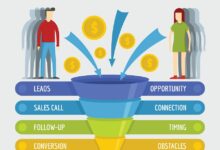
A lead generation funnel maps the journey from awareness to conversion. It typically includes three stages:
- Top of Funnel (TOFU): Attract strangers with SEO, social media, and content marketing.
- Middle of Funnel (MOFU): Nurture leads with email sequences, webinars, and case studies.
- Bottom of Funnel (BOFU): Convert SQLs with demos, consultations, and special offers.
Each stage requires tailored messaging and offers to move leads forward.
Integrate Marketing and Sales Teams
Silos between marketing and sales kill lead conversion. Alignment ensures that leads are properly qualified and followed up on promptly.
- Hold regular sync meetings between teams.
- Use shared KPIs like lead acceptance rate and sales cycle length.
- Implement Service Level Agreements (SLAs) for lead handoff.
Companies with tightly aligned sales and marketing teams see 36% higher customer retention and 38% higher sales win rates, according to HubSpot.
Continuously Optimize Based on Data
The best lead generation strategies are data-driven. Regularly review your performance, gather feedback, and make adjustments.
- Analyze which channels generate the highest-quality leads.
- Survey converted customers to understand their journey.
- Iterate on underperforming campaigns instead of abandoning them.
Optimization is not a one-time task—it’s an ongoing process of refinement and improvement.
What are leads in marketing?
Leads in marketing refer to individuals or organizations that have shown interest in your product or service by providing their contact information or engaging with your content. They are potential customers who can be nurtured through the sales funnel.
How can I generate more leads for my business?
You can generate more leads by creating valuable content, optimizing landing pages, running targeted ads, leveraging social media, and using lead magnets like free trials or downloadable resources. Consistent follow-up and lead nurturing also improve conversion rates.
What is the difference between a lead and a prospect?
A lead is anyone who has shown initial interest, while a prospect is a qualified lead that has been vetted and is actively being pursued by the sales team. All prospects start as leads, but not all leads become prospects.
What tools can help manage leads effectively?
CRM platforms like HubSpot, Salesforce, and Zoho CRM help manage leads by organizing contact information, tracking interactions, automating follow-ups, and providing analytics to measure performance.
How important is lead follow-up speed?
Extremely important. Research shows that leads contacted within 5 minutes are 21 times more likely to convert than those contacted after 30 minutes. Fast response times significantly increase your chances of closing a sale.
Generating high-quality leads is not about luck—it’s about strategy, consistency, and optimization. From understanding what leads are to implementing powerful generation techniques, qualifying them effectively, and leveraging technology, every step matters. By building a sustainable lead generation engine, aligning your teams, and staying ahead of trends like AI and personalization, you position your business for long-term success. Remember, the goal isn’t just to get more leads, but to get the right leads—the ones who will become loyal customers and advocates for your brand.
Further Reading:
