Ever wondered what ‘leads meaning’ really is? It’s more than just potential customers—it’s the lifeblood of sales and marketing. In this deep dive, we’ll unpack everything from basic definitions to advanced strategies, giving you a crystal-clear understanding of how leads shape business success.

Understanding the Core Leads Meaning

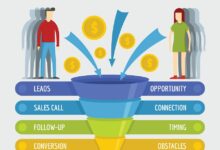
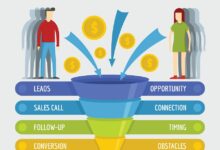
The term leads meaning refers to individuals or organizations that have shown interest in your product or service but haven’t yet made a purchase. They are at the top of the sales funnel and represent the starting point of customer acquisition. Understanding this concept is crucial for any business aiming to grow its customer base.
What Exactly Is a Lead?
A lead is anyone who has provided contact information or engaged with your brand in a way that indicates interest. This could be filling out a form, subscribing to a newsletter, downloading a whitepaper, or even interacting with your social media content.
- A lead is not yet a customer but has the potential to become one.
- Leads can come from various channels: online ads, content marketing, events, referrals, etc.
- The quality of a lead depends on how closely they match your ideal customer profile.
“A lead is the first handshake between a business and a potential customer—make it count.” — MarketingProfs
Why Leads Are Essential for Business Growth
Without leads, there are no sales. Leads fuel the entire revenue engine. They allow companies to build relationships, nurture prospects, and ultimately convert them into paying customers. The more high-quality leads a business generates, the higher its chances of sustainable growth.
- Leads provide data for market analysis and customer segmentation.
- They enable personalized marketing and sales outreach.
- Consistent lead flow ensures predictable revenue cycles.
Types of Leads and Their Meaning in Practice
Not all leads are created equal. The leads meaning evolves depending on the stage of engagement and intent. Businesses must classify leads accurately to apply the right nurturing strategy.
Marketing Qualified Leads (MQLs)
Marketing Qualified Leads are individuals who have engaged with marketing efforts and meet specific criteria set by the marketing team. These might include downloading a guide, attending a webinar, or visiting pricing pages multiple times.
- MQLs show interest but may not be ready to buy.
- They require further nurturing through email campaigns or retargeting ads.
- Tools like HubSpot help track MQL behavior and scoring. Learn more about lead qualification here.
Sales Qualified Leads (SQLs)
Sales Qualified Leads are MQLs who have been vetted by the sales team and deemed ready for direct outreach. They’ve shown buying intent, such as requesting a demo or asking for a quote.
- SQLs are closer to making a purchase decision.
- They often require personalized follow-up from sales representatives.
- CRM systems like Salesforce help manage SQL pipelines. Explore CRM solutions here.
Product Qualified Leads (PQLs)
Common in SaaS businesses, Product Qualified Leads are users who have experienced the product through a free trial or freemium model and demonstrated behaviors indicating readiness to upgrade.
- PQLs have firsthand experience with your product’s value.
- They are often easier to convert than cold leads.
- Behavioral triggers (e.g., feature usage) signal PQL status.
How Leads Meaning Translates Across Industries
The interpretation of leads meaning varies significantly across sectors. While the core idea remains the same—someone interested in your offering—the way leads are generated, tracked, and converted differs by industry.
Leads in Real Estate
In real estate, a lead could be a homebuyer browsing listings, attending an open house, or contacting an agent for property advice. These leads are often generated through online portals like Zillow or local advertising.
- Speed of response is critical—over 50% of leads are lost due to delayed follow-up.
- Lead nurturing involves regular communication and property recommendations.
- CRM tools help agents track client preferences and timelines.
“In real estate, the first agent to respond wins the lead 90% of the time.” — InsideSales.com
Leads in E-commerce
E-commerce leads are typically captured through email sign-ups, abandoned cart recoveries, or social media engagement. These leads are nurtured via targeted ads and personalized email sequences.
- Abandoned cart emails can recover up to 15% of lost sales.
- Lead magnets like discount codes boost conversion rates.
- Platforms like Shopify integrate lead capture tools seamlessly. Discover Shopify’s lead tools.
Leads in B2B Services
B2B leads often come from content marketing, LinkedIn outreach, or industry events. These leads require longer nurturing cycles due to complex decision-making processes involving multiple stakeholders.
- Content such as case studies and whitepapers builds trust.
- Lead scoring helps prioritize high-intent prospects.
- Webinars and consultations serve as key conversion touchpoints.
The Lead Generation Process: From Interest to Action
Understanding leads meaning is only the beginning. The real value lies in knowing how to generate, capture, and convert leads effectively. This process involves strategy, tools, and consistent execution.
Creating Lead Magnets That Work
A lead magnet is a free resource offered in exchange for contact information. Effective lead magnets solve a specific problem and provide immediate value.
- E-books, checklists, templates, and free trials are popular lead magnets.
- The offer must align with the target audience’s pain points.
- Landing pages should be optimized for conversion with clear CTAs.
“The best lead magnets don’t sell—they serve.” — Neil Patel
Optimizing Landing Pages for Lead Capture
Landing pages are where visitors become leads. A well-designed page removes distractions and focuses on a single goal: capturing information.
- Keep forms short—only ask for essential details.
- Use compelling headlines and benefit-driven copy.
- Include trust signals like testimonials or security badges.
Using Forms and CTAs Strategically
Call-to-action buttons and forms are the gateways to lead capture. Their placement, design, and wording significantly impact conversion rates.
- Use action-oriented language: “Get Your Free Guide” vs. “Submit”.
- Place CTAs above the fold and after valuable content.
- A/B test different versions to find the most effective design.
Lead Nurturing: Turning Interest Into Sales
Most leads aren’t ready to buy immediately. The leads meaning shifts from “interested” to “ready” only after proper nurturing. This phase builds trust and guides prospects toward a purchase decision.
Email Drip Campaigns
Email sequences deliver timely, relevant content based on user behavior. They keep your brand top-of-mind and educate leads about your offerings.
- Automated workflows send emails based on triggers (e.g., sign-up, download).
- Content should progress from educational to promotional.
- Tools like Mailchimp simplify drip campaign creation. Try Mailchimp’s automation tools.
Personalization and Segmentation
Not all leads want the same message. Segmenting your audience allows for personalized communication that resonates more deeply.
- Segment by behavior, demographics, or engagement level.
- Personalized emails generate 6x higher transaction rates.
- Dynamic content adapts messages based on user data.
Retargeting and Behavioral Triggers
Retargeting ads re-engage leads who visited your site but didn’t convert. Behavioral triggers automate follow-ups based on specific actions.
- Facebook and Google Ads offer powerful retargeting options.
- Triggered emails (e.g., post-visit follow-up) increase engagement.
- Behavioral data helps predict buying intent.
Measuring Lead Quality and Conversion Success
Generating leads is only half the battle. The true measure of success lies in conversion rates and ROI. Understanding leads meaning includes knowing how to evaluate lead performance.
Lead Scoring Models
Lead scoring assigns values to leads based on their behavior and profile. High scores indicate readiness to buy, helping sales teams prioritize outreach.
- Positive points for actions like visiting pricing pages or downloading brochures.
- Negative points for inactivity or irrelevant job titles.
- Automated scoring in CRMs improves efficiency.
Conversion Rate Metrics
Conversion rate measures the percentage of leads that become customers. It’s a key indicator of marketing and sales effectiveness.
- Industry average conversion rates range from 5% to 15%.
- Track conversion by channel to optimize budget allocation.
- Improve rates through better targeting and messaging.
Customer Acquisition Cost (CAC)
CAC calculates how much it costs to acquire a new customer. Lower CAC means more efficient lead generation.
- CAC = Total Marketing & Sales Spend / Number of Customers Acquired.
- Compare CAC with Customer Lifetime Value (LTV) for profitability.
- Optimize CAC by improving lead quality and conversion funnels.
Common Mistakes in Lead Management and How to Avoid Them
Even with a solid grasp of leads meaning, businesses often make critical errors that undermine their efforts. Recognizing these pitfalls is the first step toward improvement.
Ignoring Lead Follow-Up Speed
Delayed response times drastically reduce conversion chances. Research shows that leads contacted within 5 minutes are 21x more likely to convert.
- Implement instant notification systems for new leads.
- Use chatbots or autoresponders for immediate engagement.
- Set SLAs (Service Level Agreements) for follow-up times.
Poor Lead Qualification
Spending time on unqualified leads wastes resources. Without proper filtering, sales teams chase prospects who’ll never buy.
- Define clear MQL and SQL criteria.
- Train marketing and sales teams on qualification standards.
- Use lead scoring to automate prioritization.
Overlooking Lead Nurturing
Many businesses focus only on acquisition, neglecting the nurturing phase. Yet, 80% of new leads never convert without proper follow-up.
- Develop a nurturing strategy for non-ready leads.
- Use multi-channel engagement (email, social, ads).
- Measure nurturing campaign performance regularly.
What is the basic leads meaning?
The basic leads meaning refers to individuals or organizations that have shown interest in a product or service but haven’t yet made a purchase. They are potential customers at the early stage of the buying journey.
What are the different types of leads?
The main types of leads include Marketing Qualified Leads (MQLs), Sales Qualified Leads (SQLs), and Product Qualified Leads (PQLs). Each type represents a different level of engagement and readiness to buy.
How do you generate high-quality leads?
High-quality leads are generated through targeted content, lead magnets, optimized landing pages, and strategic use of CTAs. Channels like SEO, social media, and paid ads also play a key role.
Why is lead nurturing important?
Lead nurturing builds trust and guides prospects through the buying journey. Most leads aren’t ready to buy immediately, so consistent, personalized communication increases conversion chances.
How do you measure lead success?
Lead success is measured using metrics like conversion rate, lead scoring, and customer acquisition cost (CAC). These help assess the effectiveness of lead generation and nurturing efforts.
Understanding the true leads meaning goes far beyond a simple definition. It’s about recognizing leads as the foundation of sales, classifying them accurately, generating them strategically, and nurturing them with precision. From MQLs to SQLs, from e-commerce to real estate, every industry relies on leads to drive growth. By avoiding common mistakes and leveraging data-driven strategies, businesses can turn interest into revenue. The key is consistency, speed, and personalization—because every lead is a potential success story waiting to happen.
Further Reading:
