Leeds United isn’t just a football club—it’s a legacy etched in passion, grit, and unforgettable glory. From roaring crowds at Elland Road to dramatic promotions, this is the story of a team that refuses to back down.
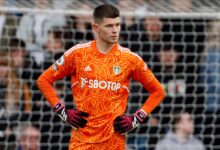
Leeds United: A Legacy Forged in Football History

Founded in 1919, Leeds United has grown from humble beginnings into one of England’s most iconic football institutions. The club emerged during a period of reorganization in English football, replacing Leeds City after the latter was disbanded due to financial misconduct. Since then, Leeds United has become synonymous with resilience, fierce competition, and a loyal fanbase that spans generations.
The Founding Years and Early Struggles
In its early decades, Leeds United faced numerous challenges on and off the pitch. After being elected to the Football League’s Second Division in 1920, the club spent much of the 1920s and 1930s striving for consistency. Despite reaching the FA Cup semi-finals in 1926, promotion to the First Division remained elusive for years.
- Leeds United joined the Football League in 1920.
- First major success came in 1964 with promotion to the First Division.
- Early years were marked by inconsistent performances and managerial changes.
It wasn’t until the appointment of Don Revie in 1961 that the club began its transformation into a football powerhouse. Revie, initially a player-manager, instilled discipline, tactical awareness, and a winning mentality that would define the club’s golden era.
Don Revie’s Revolution
Don Revie’s impact on Leeds United cannot be overstated. When he took over, the club was languishing in the Second Division. Revie restructured the team, emphasizing fitness, teamwork, and a methodical approach to the game. He also invested heavily in youth development, laying the foundation for long-term success.
“We don’t mean to go on, but we’ve won every bloody thing there is to win.” – Don Revie, after Leeds United won the 1974 First Division title.
Under Revie’s leadership, Leeds United won their first major trophy—the 1968 League Cup—followed by the Inter-Cities Fairs Cup in 1968 and 1971. The pinnacle came in 1969 when the club secured its first-ever First Division title, a feat repeated in 1974. These triumphs cemented Leeds United as a dominant force in English football.
Golden Era: The 1960s and 1970s Glory
The 1960s and 1970s represent the most successful period in Leeds United’s history. This era, often referred to as the ‘Revie Years,’ saw the club dominate domestic and European competitions with a blend of tactical brilliance and physical intensity.
Domestic Dominance
Leeds United’s domestic achievements during this period were staggering. The club won the First Division title twice (1968–69, 1973–74), the FA Cup once (1972), and the League Cup twice (1968, 1990). They also finished as runners-up in the league on five occasions, a testament to their consistency.
- 1969: First Division Champions
- 1972: FA Cup Winners
- 1974: Second First Division Title
The 1972 FA Cup victory was particularly significant. After losing in the final in 1965 and 1970, Leeds United finally lifted the trophy by defeating Arsenal 1–0 at Wembley. Mick Jones scored the decisive goal, ending years of near-misses and heartbreak.
European Adventures
While Leeds United’s domestic record was impressive, their European campaigns added another layer to their legacy. The club won the Inter-Cities Fairs Cup—precursor to the UEFA Cup—twice, in 1968 and 1971. These victories showcased their ability to compete with continental elite teams.
In 1975, Leeds United reached the European Cup final, facing Bayern Munich in Paris. Despite being favorites, they lost 2–0 in a match marred by controversy, including disputed refereeing decisions and accusations of poor sportsmanship. The defeat remains one of the most painful moments in club history.
“We were robbed in Paris.” – Billy Bremner, Leeds United captain, reflecting on the 1975 European Cup final.
Nonetheless, their presence in Europe elevated the club’s global profile and demonstrated that English clubs could compete at the highest level.
Leeds United’s Iconic Players and Legends
No discussion of Leeds United is complete without acknowledging the legendary players who wore the white shirt with pride. These individuals not only delivered on the pitch but also became symbols of the club’s identity and spirit.
Billy Bremner: The Heart of the Team
Billy Bremner, the fiery Scottish midfielder, was the embodiment of Leeds United’s fighting spirit. Standing at just 5’4”, Bremner made up for his lack of height with relentless energy, leadership, and an uncanny ability to control the tempo of the game.
- Capped 54 times for Scotland.
- Captained Leeds United to multiple trophies.
- Known for his tenacity and never-say-die attitude.
Bremner played over 770 matches for the club and was instrumental in their success during the Revie era. His leadership on the pitch inspired teammates and intimidated opponents. Even after his playing career, Bremner remained a beloved figure at Elland Road, later managing the club in the 1980s.
Jack Charlton: The Defensive Rock
Alongside his brother Bobby, Jack Charlton formed one of the most formidable defensive partnerships in football history. At Leeds United, Jack was the immovable object in central defense, combining physical strength with intelligent positioning.
He made over 600 appearances for the club and was a key figure in their title-winning campaigns. Charlton’s leadership and consistency earned him widespread respect, and he was a crucial part of England’s 1966 World Cup-winning squad.
“Jack was the anchor. Without him, we wouldn’t have won half of what we did.” – Norman Hunter, former Leeds United defender.
Lucas Radebe: The Chief
In the modern era, Lucas Radebe stands as one of Leeds United’s most revered figures. The South African center-back joined the club in 1994 and quickly became a fan favorite due to his commanding presence, leadership, and loyalty.
Radebe captained the team during their resurgence in the late 1990s and early 2000s. He earned the nickname ‘The Chief’ for his authoritative style and was so respected that Nelson Mandela once said, “You have done more for South Africa than any politician.”
- Played 262 games for Leeds United.
- Named club captain in 1998.
- Inducted into the English Football Hall of Fame in 2013.
Radebe’s legacy extends beyond football—he became a symbol of unity and resilience, both at the club and internationally.
Modern Revival: The Marcelo Bielsa Era
After decades of instability, financial turmoil, and relegations, Leeds United experienced a renaissance in the late 2010s under the guidance of Argentine manager Marcelo Bielsa. His arrival in 2018 marked the beginning of a new chapter—one defined by attacking football, high intensity, and a return to prominence.
The Bielsa Philosophy
Marcelo Bielsa, known as ‘El Loco’ for his unorthodox methods, brought a revolutionary approach to Leeds United. He implemented a high-pressing, fast-paced style of play that emphasized fitness, discipline, and relentless attacking intent.
- Introduced a 3-3-1-3 formation in early seasons.
- Demanded extreme physical conditioning from players.
- Transformed Leeds into one of the most exciting teams in the Championship.
Bielsa’s methods were initially met with skepticism, but results quickly silenced critics. In the 2019–20 season, Leeds United won the EFL Championship, securing promotion to the Premier League after a 16-year absence.
Promotion and Premier League Return
The 2019–20 season was historic for Leeds United. After years of near-misses and playoff heartbreaks, the club finally achieved automatic promotion under Bielsa’s leadership. They finished first in the Championship with 93 points, playing some of the most exhilarating football in the league.
Their return to the Premier League was celebrated across Yorkshire and beyond. Elland Road erupted in joy as fans witnessed the culmination of a long and painful journey back to the top flight.
“This is not just a promotion. This is a resurrection.” – Leeds United fan after securing Premier League promotion.
Leeds United’s return was more than just a sporting achievement—it was an emotional triumph for a community that had endured years of disappointment.
Leeds United’s Rivalries and Fan Culture
Rivalries and fan culture are at the heart of Leeds United’s identity. The passion of the supporters, the intensity of local derbies, and the club’s controversial reputation have all contributed to its unique place in English football.
The Yorkshire Derby: Leeds vs. Sheffield United
The rivalry with Sheffield United is one of the most heated in English football. Known as the Yorkshire derby, matches between Leeds United and Sheffield United are charged with regional pride, historical tension, and fierce competition.
- First meeting in 1895.
- Rivalry intensified during the 1960s and 1970s.
- Matches often feature high stakes and dramatic moments.
While Leeds United has historically held the upper hand in head-to-head records, recent encounters have been closely contested. The rivalry remains a key fixture in the football calendar, drawing national attention and intense media coverage.
Manchester United and the North vs. South Divide
Although not a traditional derby, the fixture against Manchester United carries significant weight for Leeds United fans. The rivalry stems from historical competition for dominance in northern English football, as well as cultural and economic contrasts between the two cities.
During the Revie era, Leeds United challenged Manchester United’s status as the region’s top club. The animosity peaked in the 1990s and 2000s, especially during periods when both teams competed for European qualification.
“We’re not just rivals with Sheffield. Manchester sees us as a threat too—and we like it that way.” – Leeds United supporter.
The Elland Road Experience
Elland Road, Leeds United’s home since 1919, is more than just a stadium—it’s a fortress of noise, color, and emotion. With a capacity of over 37,000, it ranks among the largest club grounds in England.
Matchdays at Elland Road are characterized by passionate chants, organized tifos, and an unwavering belief in the team. The South Stand, in particular, is known for its vocal support and has become a symbol of the club’s identity.
- Opened in 1897, home to Leeds United since 1919.
- Hosted international matches and UEFA competitions.
- Undergoing modernization plans to enhance fan experience.
The atmosphere at Elland Road is often cited as one of the best in the country, intimidating to visiting teams and inspiring for the home side.
Challenges and Controversies
Leeds United’s journey has not been without setbacks. Financial mismanagement, ownership disputes, and relegations have tested the club’s resilience and fan loyalty.
The Financial Collapse of the 2000s
After finishing fifth in the Premier League in 2000 and qualifying for the UEFA Champions League, Leeds United made ambitious investments in players like Rio Ferdinand, Alan Smith, and Robbie Keane. However, the club overextended financially, relying on future revenues to cover current expenses.
When they failed to maintain Champions League qualification, the financial model collapsed. By 2004, Leeds United were relegated to the Championship and eventually entered administration, resulting in a 10-point deduction and further relegation to League One in 2007.
“We were living on borrowed time. The dream turned into a nightmare.” – Former Leeds United executive.
Ownership Turmoil and Fan Protests
Ownership issues have plagued Leeds United for years. From Ken Bates to GFH Capital and Massimo Cellino, the club has seen a series of controversial owners accused of mismanagement and neglect.
- Ken Bates: Longest-serving chairman, credited with saving the club in the 1980s.
- Massimo Cellino: Italian owner whose tenure was marked by instability and legal battles.
- Andrea Radrizzani: Took over in 2017, brought stability and invested in Bielsa’s project.
Fans have repeatedly protested against ownership decisions, organizing campaigns like ‘We Are Leeds’ to demand transparency and better governance.
Leeds United’s Future: Ambitions and Projects
As Leeds United navigates the modern football landscape, the club is focused on sustainable growth, infrastructure development, and long-term competitiveness.
Stadium and Infrastructure Development
Plans to redevelop Elland Road are underway, with proposals to expand capacity, improve facilities, and create a modern matchday experience. The club aims to balance tradition with innovation, ensuring Elland Road remains a world-class venue.
Additionally, the Thorp Arch training complex has been upgraded to support elite player development and sports science, positioning Leeds United as a forward-thinking club.
Youth Academy and Player Development
Leeds United’s academy has produced several first-team players, including Harry Kewell, Ian Rush, and more recently, Sam Greenwood and Crysencio Summerville. The club is investing heavily in youth development, aiming to create a pipeline of homegrown talent.
- Elite Category Two academy status.
- Partnerships with local schools and grassroots programs.
- Focus on technical skills, tactical intelligence, and mental resilience.
The success of the academy is seen as crucial to the club’s financial sustainability and competitive edge.
European Aspirations and Long-Term Goals
While Leeds United’s immediate goal is Premier League survival, the long-term vision includes returning to European competition. With a strong squad, passionate fanbase, and strategic leadership, the club believes it can reclaim its place among England’s elite.
“We’re not here to survive. We’re here to compete and win.” – Current Leeds United executive.
European football would not only boost revenue but also enhance the club’s global brand and attract top talent.
When was Leeds United founded?
Leeds United was founded in 1919, replacing the disbanded Leeds City club.
Who is the most iconic Leeds United player?
While opinions vary, Billy Bremner and Lucas Radebe are often cited as the most iconic players due to their leadership, loyalty, and impact on and off the pitch.
Why was Leeds United relegated in the 2000s?
Leeds United faced relegation due to financial mismanagement after overspending on players in the early 2000s, leading to administration and a points deduction.
Who managed Leeds United to promotion in 2020?
Marcelo Bielsa managed Leeds United to promotion in 2020, ending a 16-year absence from the Premier League.
What is the name of Leeds United’s stadium?
Leeds United plays at Elland Road, a stadium they have called home since 1919.
Leeds United’s story is one of triumph, tragedy, and relentless hope. From the glory days under Don Revie to the modern revival led by Marcelo Bielsa, the club has weathered storms and emerged with its spirit intact. With a rich history, passionate fanbase, and ambitious future plans, Leeds United continues to fight for its place among football’s elite. Whether battling for survival or dreaming of European nights, one thing remains certain: the heart of Leeds beats strongest in white.
Further Reading:
